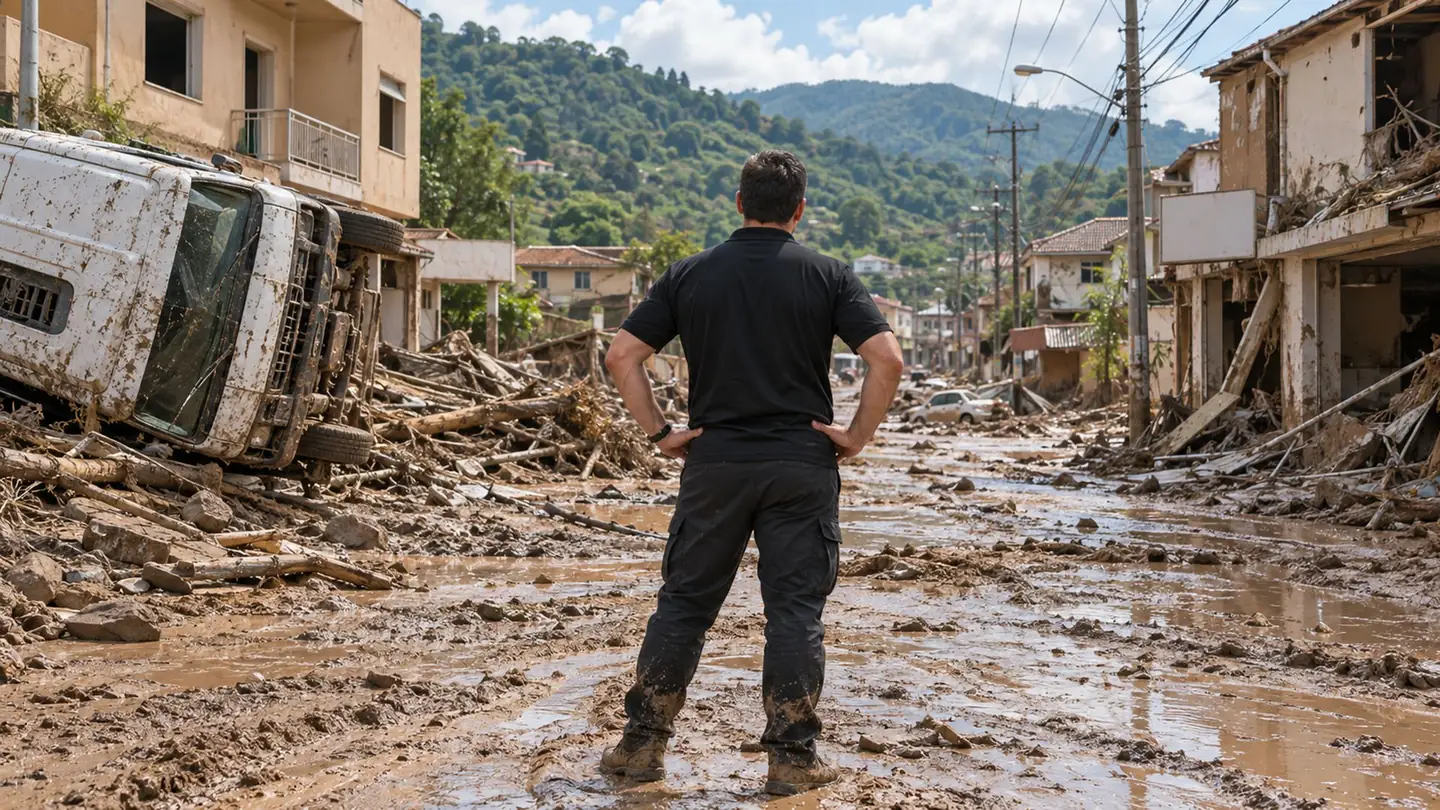
An earthquake shakes a city awake. A river breaks its banks. A wildfire races toward a town. Within hours the images reach our phones, and almost all of us feel the same thing: I want to help.
That instinct is one of the best things about people. Disaster relief donations fund the clean water, food, shelter and medical supplies that keep families going in the first days, and the long work of rebuilding afterwards. Giving wisely makes sure your help arrives where it is needed most.
Why money often helps more than goods
It is tempting to send clothes, blankets or bottled water. But shipping, sorting and storing donated goods takes time, space and people that relief teams rarely have to spare in an emergency. A financial gift lets responders buy exactly what is needed, often from local suppliers, which also helps the local economy recover.
A disaster relief donation made online is one of the fastest ways to help from far away.
Check before you give
Sadly, every disaster also attracts people who want to take advantage of generosity. Before you donate:
- Give to an organization you know or can verify. In the United States, the IRS Tax Exempt Organization Search on IRS.gov shows whether a charity is registered.
- Type the website address yourself instead of following a link in an unexpected email, text or social media message.
- Be careful with brand-new appeals and crowdfunding pages set up by people you do not know.
- Never pay by gift card, wire transfer or cryptocurrency because someone pressures you to. Real charities do not demand them.
Think beyond the first week
Media attention fades quickly, but recovery can take months or years. Homes have to be rebuilt, schools reopened and livelihoods restored. Many donors give right away and again a few months later, when the need is still great but the cameras have moved on.
Make your gift go further
- Ask about matching gifts. Many employers and local businesses match donations, which doubles the impact.
- Pool small gifts. Collections at work, school or a place of worship add up quickly.
- Dedicate your gift. Giving in honor of someone affected, or someone who inspires you, makes it personal.
- Share trusted appeals. Your friends may want to help but not know where to start.
Disaster relief and humanitarian aid: what is the difference?
Disaster relief is the immediate response after an emergency such as an earthquake, flood or wildfire. Humanitarian aid is broader: it includes relief during emergencies as well as longer-term support for people in need, such as health care, clean water and education. Both depend on people who give.
How to give through Universal Fundraising
Universal Fundraising raises funds for disaster relief and supports organizations that bring emergency relief to communities, from the first days after a flood, fire or earthquake to the long work of recovery. You can donate any amount on our home page, add a short dedication, and complete your gift in our secure checkout.
Quick answers
What is the best way to donate to disaster relief?
A financial gift to an established, registered charity is usually the most useful, because relief teams can buy what is needed quickly and locally. Give through the charity's own website and keep your receipt.
How can I avoid disaster relief scams?
Verify the charity, type its web address yourself, and be wary of pressure to pay by gift card, wire transfer or cryptocurrency. If something feels wrong, give to an organization you already know.
Ready to make a difference?
Give any amount in our secure checkout, and add a short dedication if you wish.
Donate Now