We teach children to read, to count and to understand science. But who teaches us how to disagree without hurting each other, or how to understand someone whose life looks nothing like our own?
That is the work of peace education. It is one of the quietest and most powerful ways to build a more peaceful world, and it depends on people who believe in it enough to support it.
What is peace education?
Peace education helps people gain the knowledge, attitudes and skills to live together peacefully. It is less about memorizing facts and more about practice:
- listening to understand, not only to answer;
- recognizing and questioning prejudice, including our own;
- resolving conflict without violence;
- respecting other cultures, beliefs and points of view;
- seeing how deeply connected people are across countries and generations.
In 1999 the United Nations adopted a Declaration and Programme of Action on a Culture of Peace, which names education as one of the main ways to build that culture. The idea is simple: lasting peace begins in the way people think about and treat one another.
Why it matters now
Information travels faster than ever, and so does division. Young people meet the world through screens long before they meet it in person. Peace education gives them tools to think critically about what they see, to recognize the shared humanity behind the headlines, and to choose dialogue over hostility.
Adults benefit too. Workplaces, neighborhoods and families all work better when people know how to listen and settle differences fairly.
Where peace education happens
It happens in classrooms and after-school programs, in community centers and libraries, at workshops and youth events, and more and more online. Documentary films are an especially powerful format: a single film can be watched by thousands of people, in many languages, and spark conversations in homes, classrooms and communities.
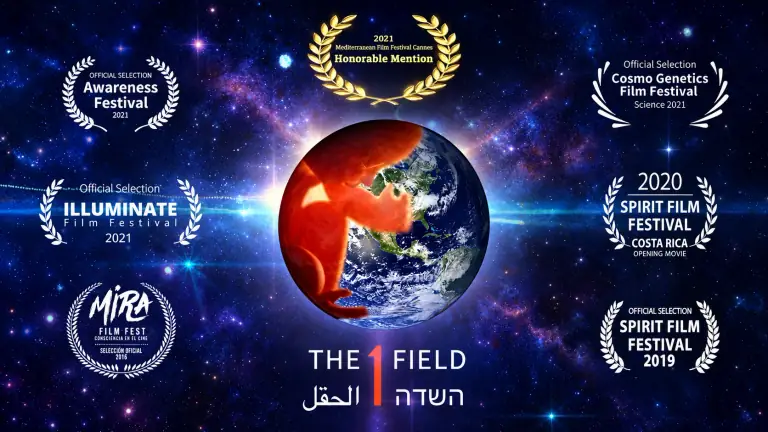
That is why Universal Fundraising supports educational films for peace such as The 1 Field, an award-winning documentary about consciousness and human connection that donors help keep free for everyone.
How your donation helps
- Keeps learning free. Gifts help keep educational films free to watch, wherever people live.
- Funds new work. The 1 Field is the first of a growing series, with more films in final production or still being filmed.
- Brings programs to more people. Donations support peace education programs for young people and communities.
- Raises awareness. Every film shared and every program held invites new people into the conversation.
Simple ways to get involved
Host a film screening for your school, library or community group and invite guests to give. Organize a school or youth peace drive. Or set a personal fundraising goal and ask friends to support peace education projects with you.
Every classroom that learns to listen makes the world a little more peaceful.
Quick answers
What is the goal of peace education?
To help people understand one another, question prejudice and resolve conflict without violence, so communities can build a peaceful future together.
How can I support peace education?
Donate to organizations that run peace education programs or make educational films, host a film screening, or bring peace education ideas into your school or community.
Ready to make a difference?
Give any amount in our secure checkout, and add a short dedication if you wish.
Donate Now